













Why Paris Is the Fashion Capital — A Deep Dive into History, Culture & Style
Why Paris Is the Fashion Capital — History, Today, & Where to Experience Parisian Style
From haute couture ateliers to reinvigorated vintage lanes, discover how Paris continues to set the tone for global fashion — and practical tips to experience it yourself.
Introduction: More Than a Label
Paris’s status as a fashion capital is the result of centuries of craftsmanship, institutional support, and a cultural appetite for style. It is the birthplace of haute couture and home to the Fédération that organizes Paris Fashion Week — the event that annually concentrates the attention of designers, buyers, editors and influencers from around the world.
1. A Short History of Haute Couture
Modern haute couture traces back to the 19th century when Charles Frederick Worth established the first true couture house in Paris. The Chambre Syndicale and its modern successor — the Fédération de la Haute Couture et de la Mode — formalized the rules and calendars that still define couture and fashion week today. These legal and institutional structures helped Paris keep couture as both a creative and economic engine.
2. Paris Fashion Week: The Global Stage
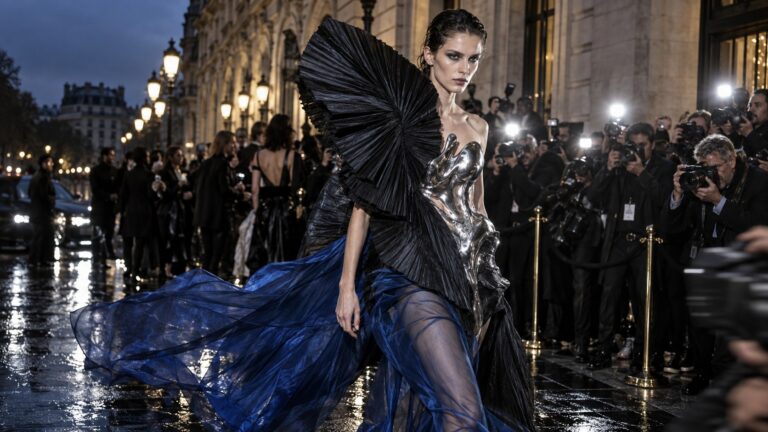
Paris Fashion Week is one of the “Big Four” fashion weeks and showcases ready-to-wear, menswear and haute couture collections. The semi-annual calendar programs a mix of long-established houses and emerging designers, producing the seasonal trends that ripple across retail and editorial worldwide. If your article strategy is SEO-driven, include timely coverage of each season’s major shows and lookbooks — those pages earn recurring organic interest.
3. Where to Shop: Districts & Boutiques
Paris’s retail ecosystem is deliberately diverse: flagship maisons on Avenue Montaigne and Rue du Faubourg Saint-Honoré, concept boutiques and independent ateliers in Le Marais, and bargain-hunters’ haunts in the 9th and 18th arrondissements. Local style editors recommend mixing high-end stops with curated vintage and smaller ateliers to truly understand Parisian taste.
4. Fashion Museums & Cultural Anchors
Museums dedicated to fashion — like the Musée Yves Saint Laurent — preserve design legacies while offering visitors a tactile sense of technique and silhouette evolution. The increasing collaboration between major museums (for example, recent haute couture exhibitions at major institutions) and fashion houses demonstrates the growing recognition of fashion as a cultural, not just commercial, practice. Plan museum pages with clear ticketing information and local transport tips to improve user experience and search ranking.
5. Emerging Designers & Sustainability
Paris’s new wave of designers often mixes heritage techniques with sustainability: small ateliers produce limited runs, reworked vintage becomes a designer medium, and several initiatives support circular design. Covering profiles, interviews and studio visits will help your articles target long-tail keywords and culturally engaged readers searching for ethical fashion in Paris.
6. Practical Tips for Shopping & Etiquette
- Timing: Visit sales seasons (soldes) in January and July for discounts, but also check boutique hours — many ateliers are appointment-only.
- Language: A few polite phrases in French go a long way; staff in couture houses will often switch to English, but smaller boutiques appreciate the effort.
- Tax Refund: Non-EU visitors can claim VAT refunds on qualifying purchases — add a practical VAT guide with steps and forms.
- Authenticity: For vintage and secondhand finds, request provenance or receipts when possible; reputable boutiques will supply them.
7. Recommended External Resources
For readers who want to explore further, authoritative resources include the Fédération de la Haute Couture et de la Mode (official organizer of Paris Fashion Week), Vogue’s Paris shopping guides, and the official Paris tourist resources for planning visits.